Hospitality, poetry, craft and celebration: the traditions that connect Saudi Arabia's past with its present.
Light, golden coffee flavoured with cardamom and sometimes saffron, poured from a dallah into small cups and served with dates. 2022 was named the Year of Saudi Coffee.
A Najdi dance of drums, chanted poetry and swords, performed at national celebrations. UNESCO inscribed it as intangible heritage in 2015.
An ancient desert hunting partnership between people and falcons, recognised by UNESCO as the shared heritage of Saudi Arabia and many other nations.
Bright geometric wall paintings created by women in the homes of the Asir region, inscribed by UNESCO in 2017.
Bedouin weaving of camel, goat and sheep hair into tents, rugs and saddle bags in bold geometric patterns, inscribed by UNESCO in 2020.
Among the oldest horse breeds in the world, prized for their beauty, endurance and close bond with their owners.
Poetry in the spoken Arabic of the peninsula has recorded history, praise and love for centuries, and is still hugely popular today.
Spiced rice with chicken or lamb is the national dish. Dates from Al-Ahsa, Al-Qassim and Medina are famous across the world.
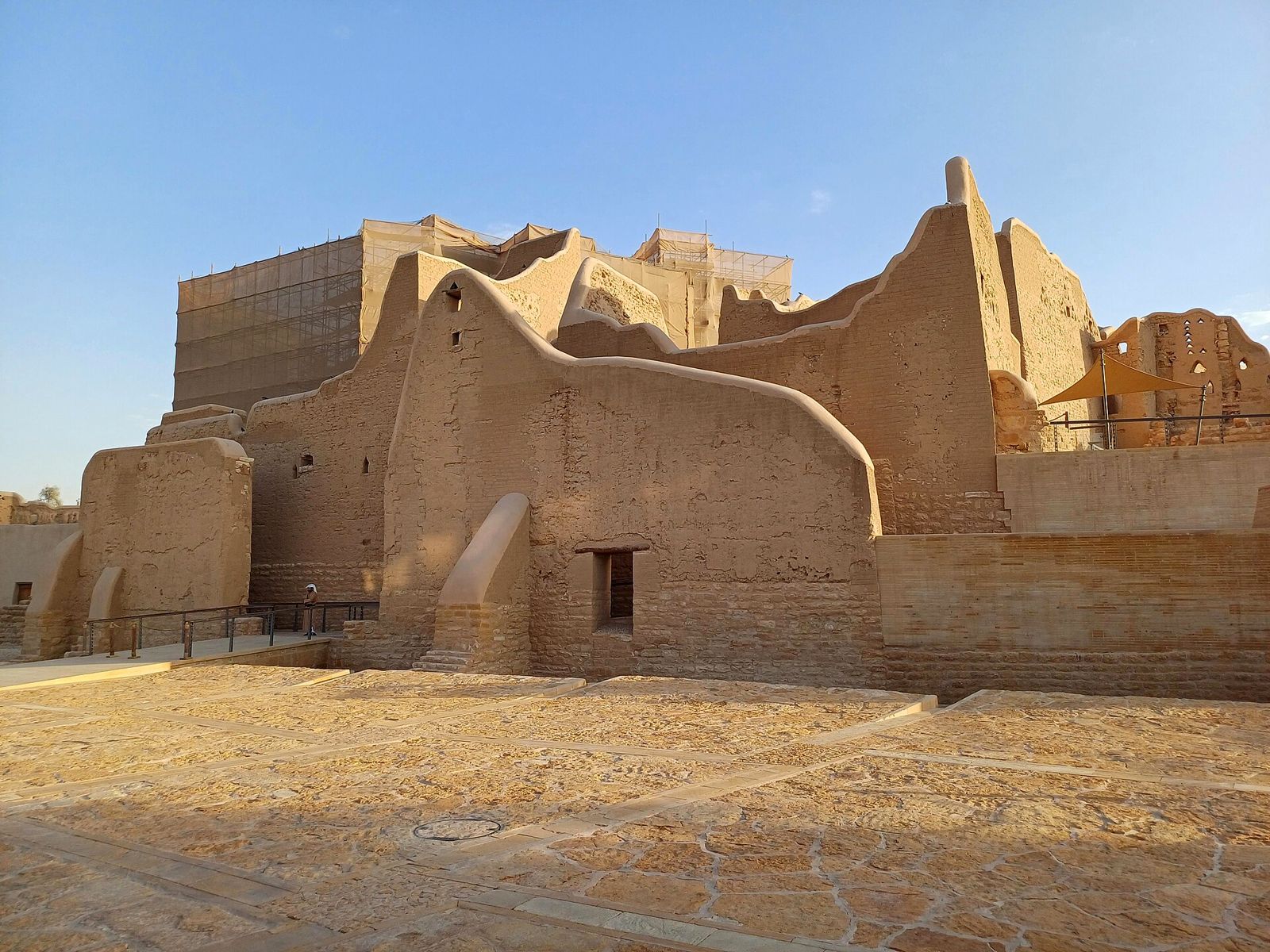
In central Arabia, thick mud-brick walls with triangular openings keep homes cool. At-Turaif in Diriyah is the finest example.
On the Red Sea coast, tall coral-stone houses with carved wooden rawashin balconies catch the sea breeze, as in historic Jeddah.
In the southern mountains, stone and slate tower houses with painted interiors cling to the slopes, as at Rijal Almaa.
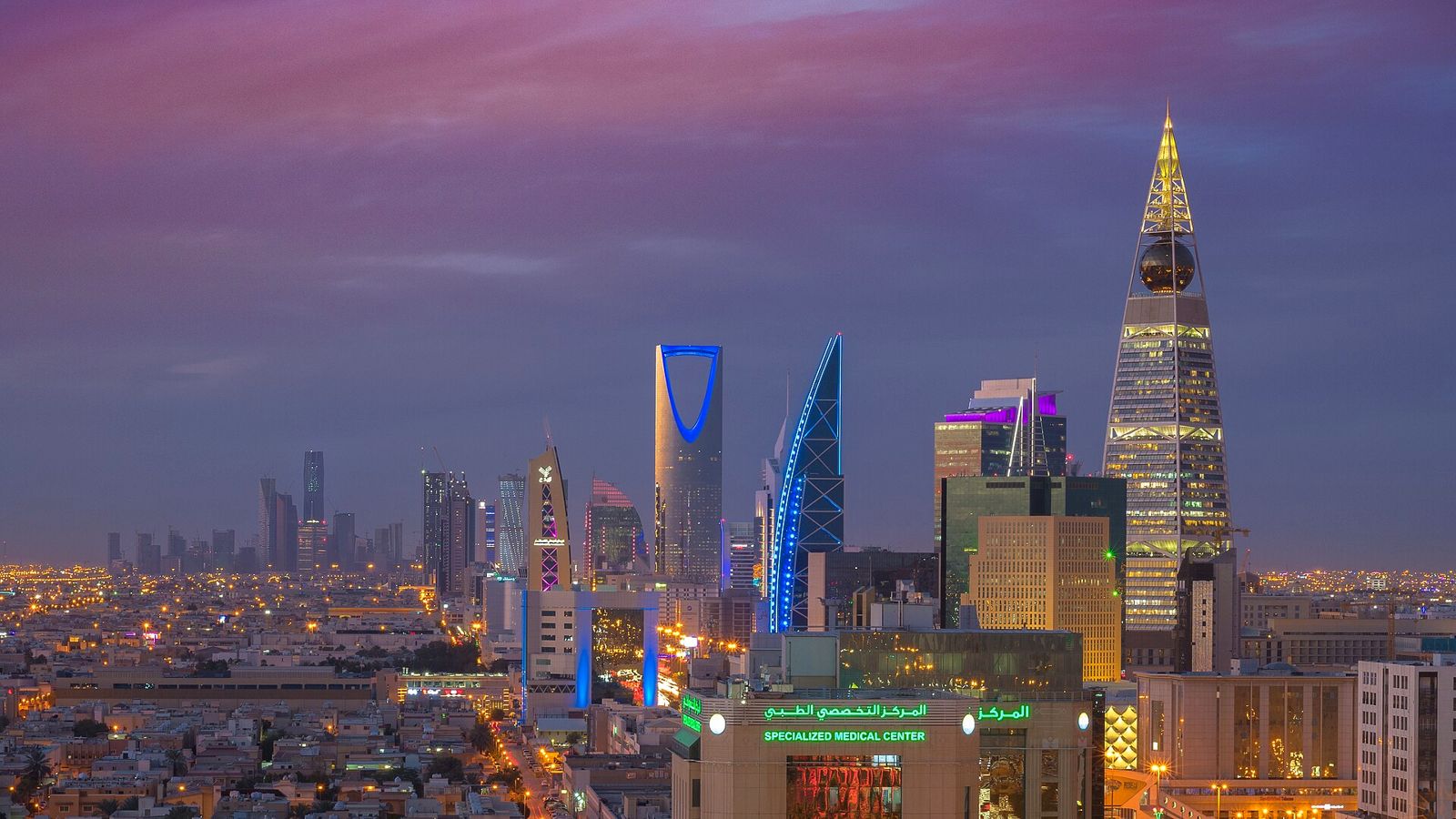
Launched in 2016, Vision 2030 is the national plan to diversify the economy beyond oil. Heritage is at its centre: Diriyah and AlUla are being restored and opened to visitors, new museums are being built, and archaeologists are making discoveries across the country.
Since 2019, tourists from around the world can visit with an online visa. Visitors explore Hegra, the old town of Jeddah, the Asir mountains and the Red Sea coast. (The holy city of Mecca is open to Muslims only.)
Eight questions on everything you have read. How well do you know Saudi history?
The modern Kingdom of Saudi Arabia was proclaimed on 23 September 1932. Its roots go back to the First Saudi State, founded in Diriyah in 1727, and people have lived on the peninsula for well over 100,000 years.
Founding Day (22 February) marks the founding of the First Saudi State in 1727. National Day (23 September) marks the unification of the Kingdom in 1932.
Riyadh. It was also the capital of the Second Saudi State from 1824, and the 1902 capture of its Masmak fortress began the modern Kingdom.
Eight: Hegra (2008), At-Turaif in Diriyah (2010), Historic Jeddah (2014), Rock Art in the Ha'il Region (2015), Al-Ahsa Oasis (2018), Ḥimā Cultural Area (2021), 'Uruq Bani Ma'arid (2023) and the Al-Faw Archaeological Area (2025).
King Abdulaziz bin Abdulrahman Al Saud, often called Ibn Saud, who reigned from 1932 until 1953. All later kings have been his sons.
Oil was found in commercial quantities at Dammam Well No. 7 in March 1938.
Yes. Since 2019 Saudi Arabia offers tourist visas online to visitors from many countries. Sites such as Hegra, Diriyah and historic Jeddah are open to visitors; Mecca is open to Muslims only.
Arabic is the official language, and English is widely used in business and tourism. The currency is the Saudi riyal (SAR).