 UNESCO 2008
AlUla, Madinah Region
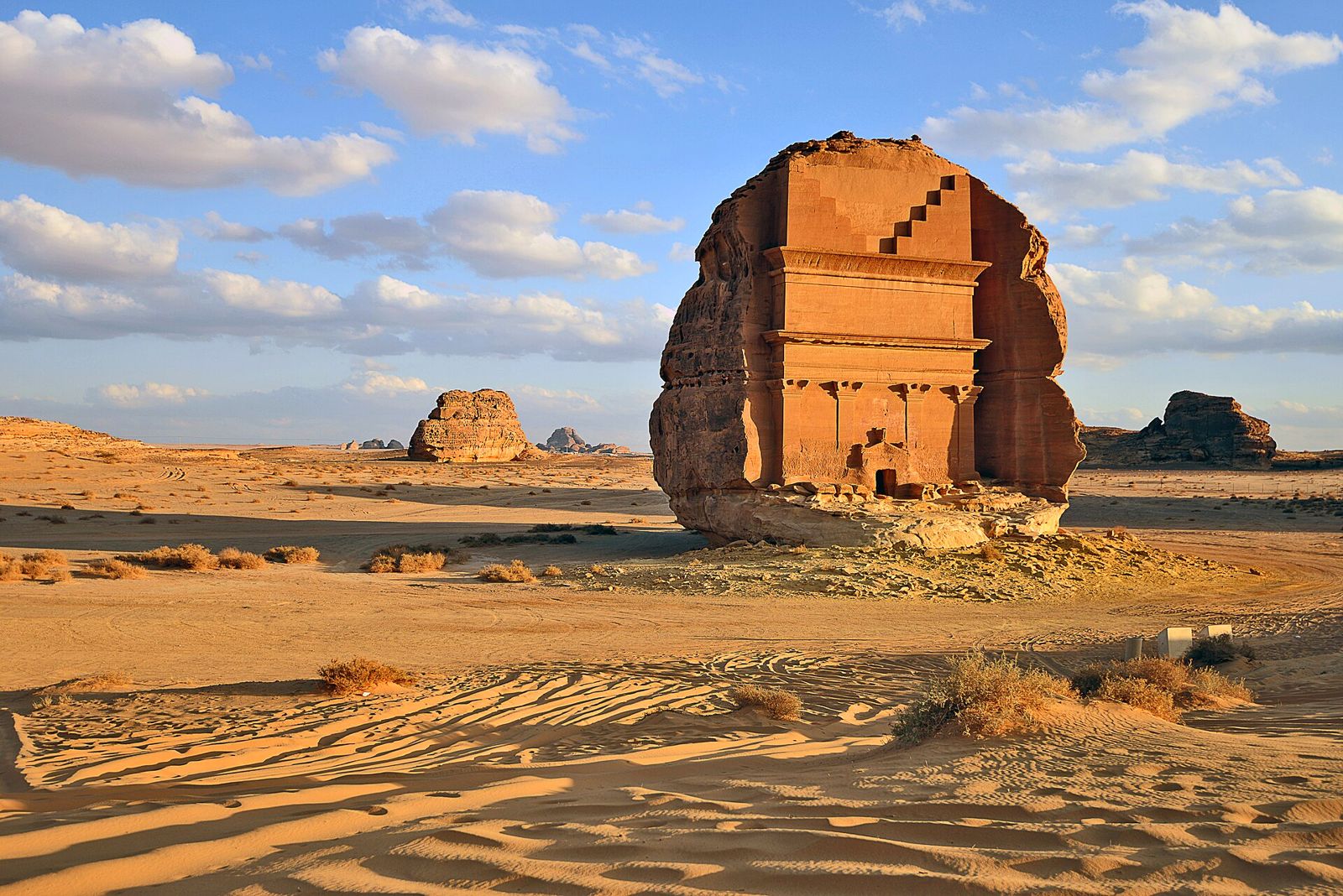
Hegra (Al-Hijr)
The Nabataeans' southern city: over 100 monumental tombs with carved façades, wells and inscriptions from the 1st century BCE to the 1st century CE. The lone tomb of Qasr al-Farid is its icon.
From ancient caravan kingdoms and the birthplace of Islam to the founding of a nation, explore more than 100,000 years of history on the Arabian Peninsula.
Saudi Arabia covers about 80% of the Arabian Peninsula. Its deserts, oases, mountains and coasts have seen caravan empires, the revelation of Islam and the rise of a modern state.
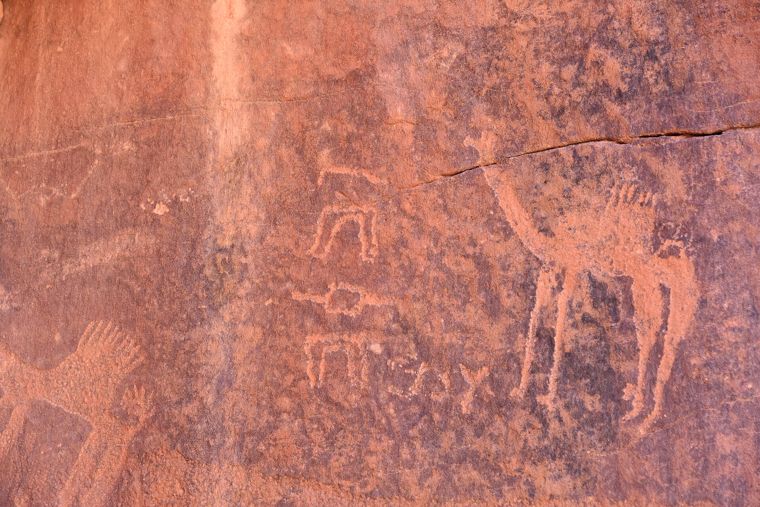
Rock art, lost lakes, incense kingdoms and the tombs of the Nabataeans.
Explore →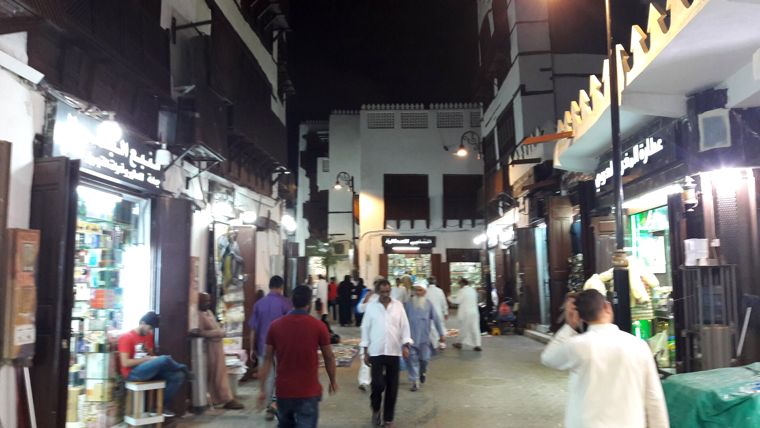
Mecca and Medina, pilgrim roads and the Hejaz under the caliphs and Ottomans.
Explore →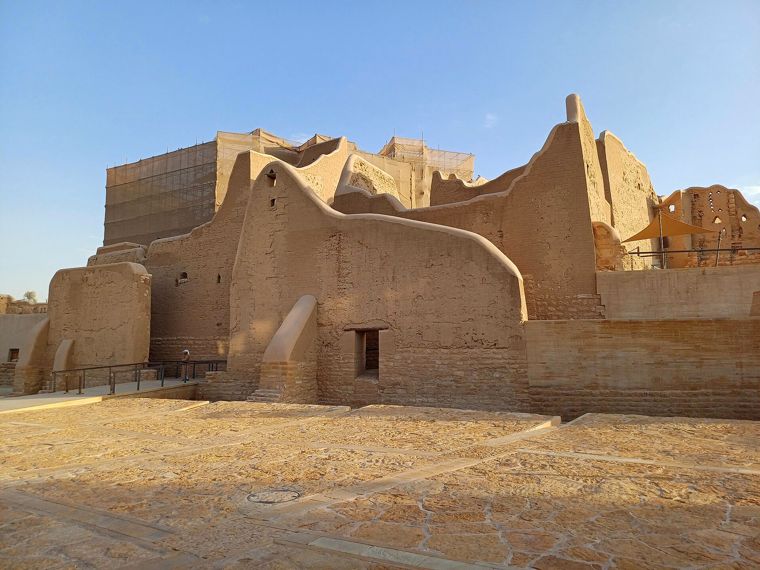
From Diriyah to the unification of the Kingdom in 1932.
Explore →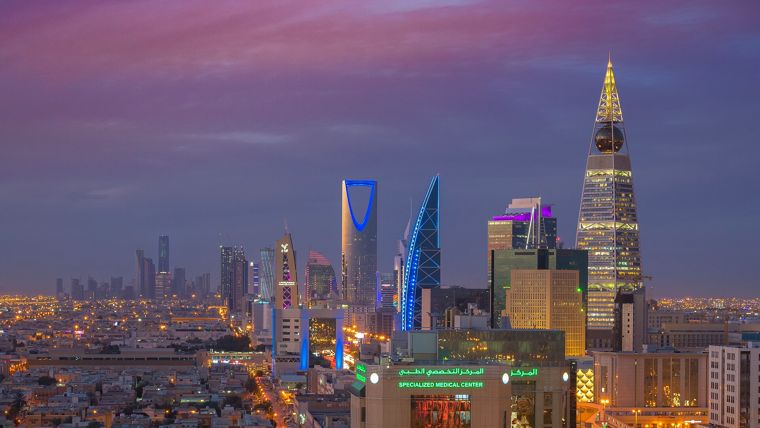
Oil, rapid growth, seven kings and the Vision 2030 era.
Explore →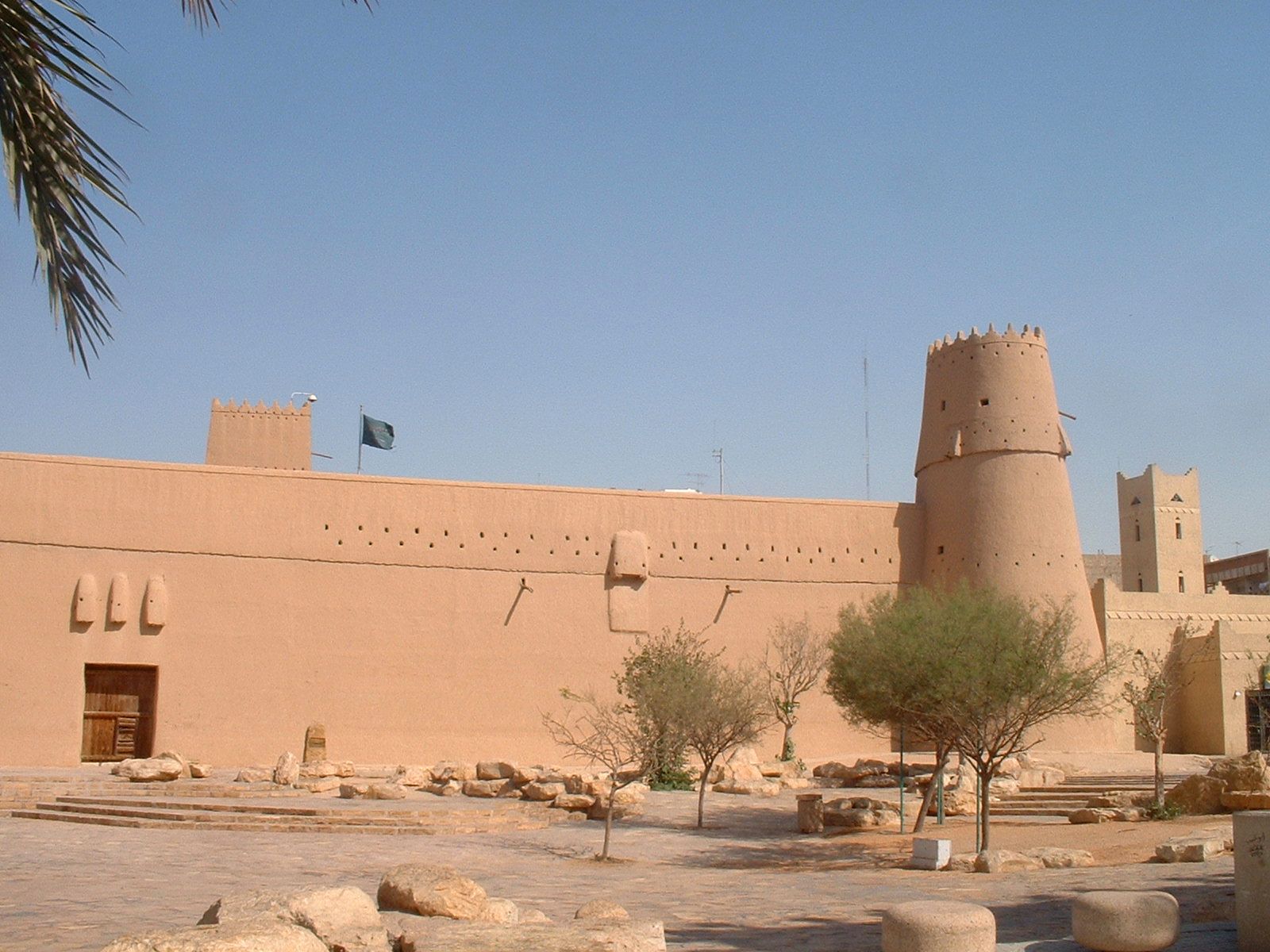 Masmak Fortress, Riyadh
Exiled in Kuwait after the fall of the Second Saudi State, the 26-year-old Abdulaziz bin Abdulrahman Al Saud set out with a few dozen companions. Before dawn they took Masmak, the clay fortress at the heart of Riyadh.
Over the next three decades he brought together Najd, Al-Ahsa, Ha'il and the Hejaz. On 23 September 1932 they were united as the Kingdom of Saudi Arabia, a day the country celebrates every year as National Day.
“Before the first oil well, before the first city of glass, the peninsula was already one of the great crossroads of the ancient world.”Arabian Chronicle
From Nabataean tombs to the dunes of the Empty Quarter, Saudi Arabia now has eight UNESCO World Heritage Sites.
UNESCO 2008The Nabataeans' southern city: over 100 monumental tombs with carved façades, wells and inscriptions from the 1st century BCE to the 1st century CE. The lone tomb of Qasr al-Farid is its icon.
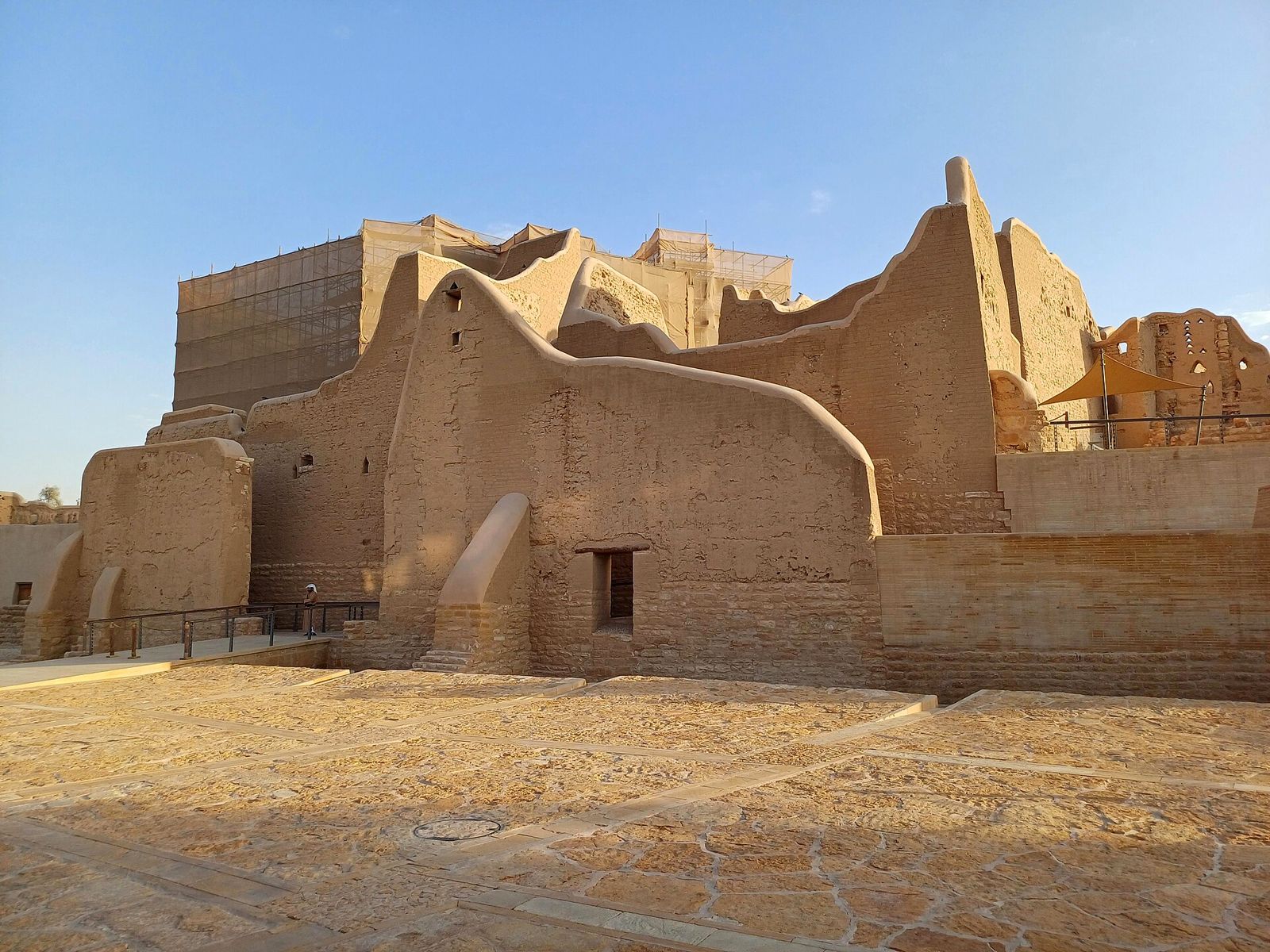 UNESCO 2010
The mud-brick capital of the First Saudi State, built in the Najdi style on the edge of Wadi Hanifah, with palaces, mosques and fortified walls.
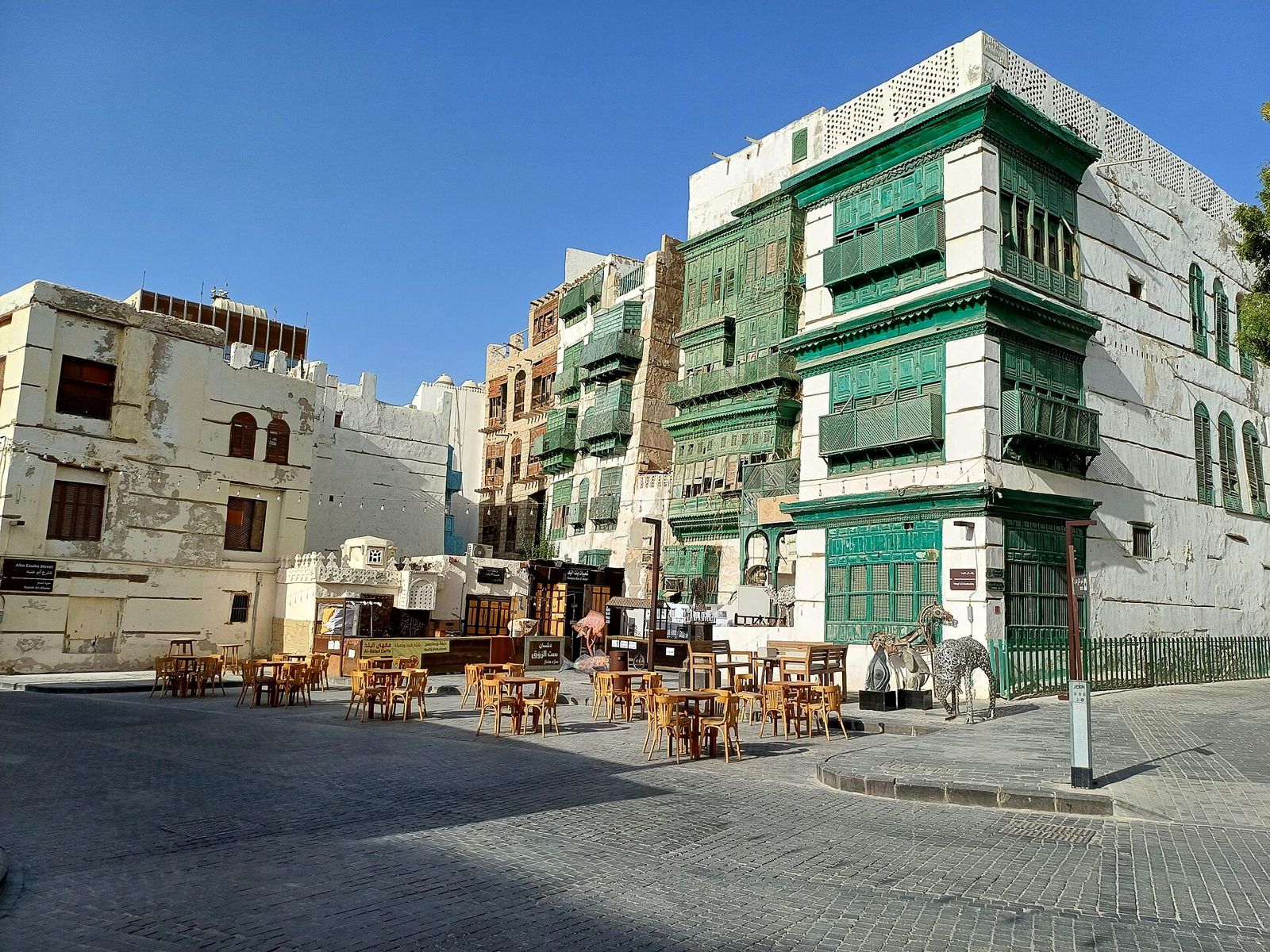 UNESCO 2014
Coral-stone tower houses with wooden rawashin balconies, souks and mosques in Al-Balad, the old port where pilgrims arrived by sea.
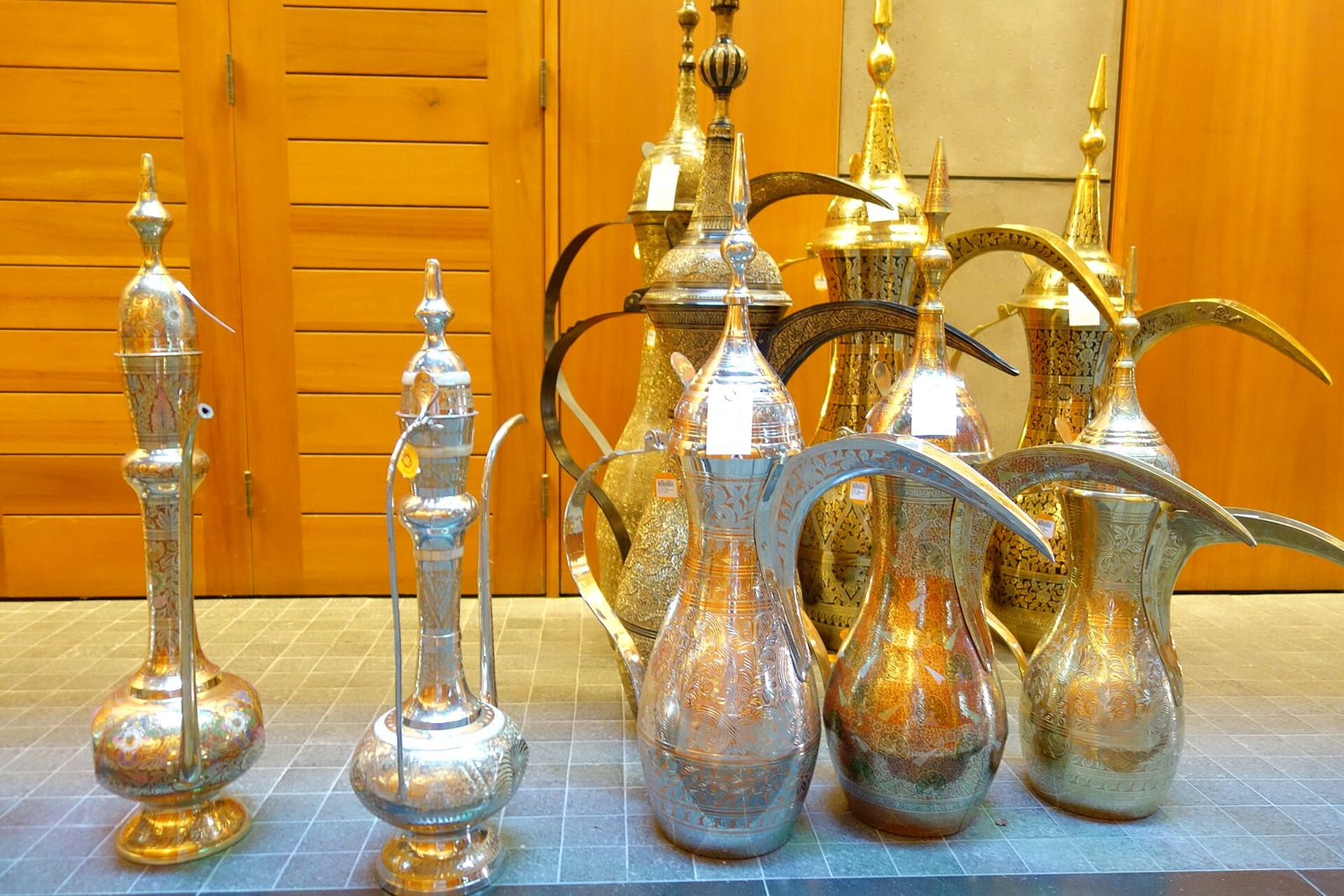 Saudi coffee in a dallah
Hospitality is at the heart of Saudi life. Guests are welcomed with cardamom-scented coffee poured from a brass dallah and served with dates.
The Ardah, a dance of drums, poetry and swords, falconry, Al Sadu weaving and the painted walls of Al-Qatt Al-Asiri are all recognised by UNESCO as part of the world's intangible heritage.
Saudi Arabia is one of the largest countries in the world without a single permanent river. Water comes from aquifers, wadis and desalination.
The Rub' al Khali, or Empty Quarter, is the largest continuous sand desert on Earth, about the size of France.
Ancient lake beds show that parts of today's desert were grassland with hippos, elephants and wild cattle.
Founding Day (22 February), Flag Day (11 March) and National Day (23 September) each mark a different milestone.
The Al-Ahsa oasis alone has around 2.5 million date palms, and Saudi Arabia is one of the world's largest date producers.
The Asir highlands in the southwest rise to around 3,000 metres and occasionally see frost and even snow.